Skip to content
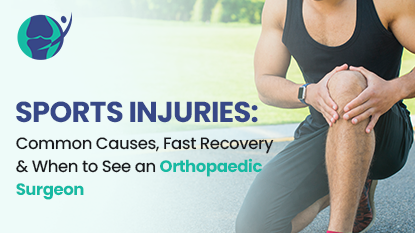
There are several advantages to participating in sports, including better cardiovascular health, stronger muscles, better coordination, and greater mental wellness. They do, however, also have the potential for harm. Whether you’re a weekend warrior, a competitive athlete, or just someone who likes to be active, knowing how sports injuries happen, how to heal fast, and when to seek professional assistance can make a significant difference.
In this blog we will be discussing the typical causes of sports injuries, offer advice on how to heal quickly, and emphasise when it’s time to consult an orthopaedic surgeon expert like Dr. Sumit Badhwar.
Table of Contents
ToggleCommon Causes of Sports Injury
- Repetitive action and overuse : Long-distance jogging, swimming laps, and tennis are examples of repetitive stress activities that might eventually cause micro-damage (such as tendinitis and stress fractures). The tissues don’t have enough time to heal if there isn’t enough rest and recuperation, which raises the possibility of a serious injury.
- Inadequate biomechanics or poor technique : When running, lifting weights, or doing agility drills, improper form can put undue strain on muscles and joints. For instance, rotating a loaded shoulder when throwing or landing with locked knees when jumping might increase the risk of rotator cuff injuries or ACL tears.
- Insufficient warm-up or cool-down : Tight or cold muscles and joints are less able to withstand abrupt stresses. The danger of strained muscles, strains, or cartilage injury increases when stretching or dynamic mobility exercises are neglected.
- Trauma or an unexpected impact : Fractures, dislocations, or ruptured ligaments can result from contact sports (football, rugby) or from collisions and falls. Major joint injuries can also result from non-contact yet unexpected motions, such as rotating on a planted foot.
- Muscle weakness and exhaustion :Joints may become less stable and coordinated when muscles become fatigued, increasing their susceptibility. An athlete who is tired is more likely to slip, fall awkwardly, or permit incorrect alignment.
- Unsuitable gear or playing fields : Ankle sprains, knee injuries, and shin splints can be caused by worn-out shoes, uneven grass, or badly maintained courts. Risk is increased by equipment that is unsuited to the athlete’s body or does not offer adequate support.
Quick Recovery Techniques
Addressing the injury itself and assisting the body’s healing process are essential to a speedy and safe recovery following a sports injury. The following are essential components of a quick recovery plan:
1. The principles of RICE and PRICE
- R (Protection) or P (Protection plus): Protect the wounded area with braces, slings, or other assistive technology.
- R (Rest) / R (Rest +): Steer clear of activities that put stress on the damaged structure.
- I (Ice) / I (Ice +): Use ice packs to lessen pain and swelling, particularly during the first 24 to 48 hours.
- C (Compression) and C (Compression +): To reduce swelling and stabilize, use elastic bands.
- E (Elevation) or E (Elevation +): To prevent fluid buildup, keep the wounded limb elevated.
Instead of total immobilization, move toward controlled movements as the acute period goes on.
2. Physical treatment and early mobilization
To avoid stiffness, progressively start range-of-motion activities once pain and swelling have subsided. Muscle balance, stability, and coordination can be restored with the use of neuromuscular training and strengthening. For instance, calf lifts and balance exercises are crucial following an ankle sprain.
3. Low-impact exercise and cross-training
Maintain cardiovascular fitness while an injury heals by swimming, cycling, or doing elliptical exercises; stay away from high-impact activities that could aggravate the injury. This promotes tissue regeneration by keeping you active and improving circulation.
4. Support for recuperation and nutrition
Tissue healing is supported by adequate protein consumption, anti-inflammatory nutrients (omega-3s, antioxidants), and micronutrients (vitamin D, calcium, magnesium). Make sure you get enough sleep and control your stress because these are essential for the body’s healing processes.
5. Plan for returning to sports
Start with simple movements, then gradually raise the load, move on to sport-specific exercises, and finally make a full recovery. Keep an eye on your symptoms: take a step back and reassess if the discomfort doesn’t go away, the swelling comes back, or your performance suffers.
When to Consult an Orthopaedic Surgeon
Certain injuries require professional evaluation and potentially surgical intervention, even with the finest rehabilitation efforts. Speak with an expert when:
- After receiving normal care for one to two weeks, you continue to have pain, swelling, or instability, or they get worse.
- You have a deformity (e.g., obvious bone displacement or dislocation, misalignment of joints).
- Tingling, numbness, or limb weakness are examples of nerve symptoms.
- You sustain a traumatic injury (such as an intra-articular injury, a full tendon or ligament tear, or a fractured bone).
- You are still unable to resume your regular activities or participate in sports due to an injury that did not improve with conservative therapy.
- At that point, an experienced orthopaedic surgeon can assess structural damage, suggest imaging (CT, MRI, X-ray), and schedule minimally invasive or surgical intervention.
Meet Dr Sumit Badhwar
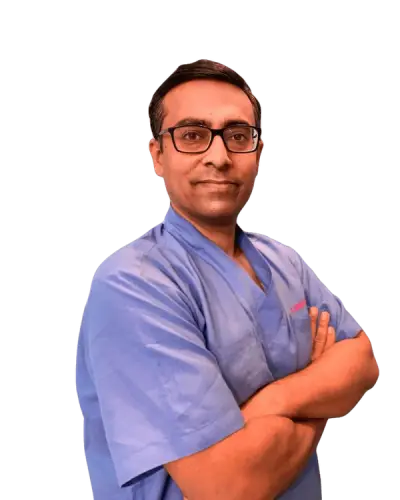
Located in Noida (Delhi-NCR), Dr. Badhwar is a highly skilled orthopaedic surgeon. Among his primary qualifications and practice highlights are:
- Over 15–20 years of expertise in trauma, sports-related injuries, orthopaedic surgery, and joint replacement.
- specialist in reverse shoulder replacement surgery and minimally invasive, “stitch-less” complete knee replacement.
- His method places a strong emphasis on cutting-edge procedures, comprehensive patient care, and quick rehabilitation qualities that are beneficial for sports injuries that need for both precise surgery and efficient recovery planning.
Seeing a surgeon like Dr. Badhwar can assist in deciding whether to proceed with advanced conservative therapy or surgical repair if your recuperation from a sports injury isn’t going as planned.
Some Ready to help tips
- Make the warm-up (5–10 minutes of dynamic mobility, light cardio, and activation drills) a must.
- Include flexibility and strength training in your regimen; powerful supporting muscles lower your risk of injury.
- Make sure the surface is suitable, use the right equipment, and adjust the training load to your level of fitness.
- Recurrent discomfort, chronic swelling, joint stiffness, and niggles are early warning indicators. Do not disregard them.
- Following an injury, adhere to a systematic rehabilitation program that consists of range-of-motion exercises, strengthening exercises, sport-specific drills, and full activity resumption.
- Recovery hygiene is important since healing is impacted by sleep, nutrition, water, and stress reduction.
Why choose Dr. Sumit Badhwar?
Renowned orthopaedic surgeon Dr. Sumit Badhwar has over 15 years of expertise treating trauma, sports injuries, and joint replacements in Noida. He is renowned for his proficiency in minimally invasive, stitch-free knee replacement procedures that guarantee a quicker recovery and less pain following surgery. Dr. Badhwar offers individualized, compassionate, and results-driven joint therapy that improves quality of life and restores mobility using cutting-edge technology and a patient-centered approach.
Conclusion
Sports injuries are common, but you may minimize recovery time and resume your best performance with the correct knowledge and a proactive attitude. Understand the common reasons (overuse, trauma, biomechanics, exhaustion), adhere to a smart recovery plan (RICE/PRICE, mobilization, nutrition, progressive progression), and know when to escalate care. Don’t be afraid to see a specialist like Dr. Sumit Badhwar, who specializes in joint repair, trauma, and sports-related orthopaedics, if you’re still experiencing pain, instability, or limited function despite your best efforts. One of the finest things you can do for your health is to be active, but make sure you do it safely, recover well, and return stronger.
FAQs
1. What are the most common types of sports injuries?
Among the most frequent sports injuries brought on by overuse, poor technique, or abrupt impact include sprains, strains, knee injuries, shoulder dislocations, and stress fractures.
2. How can I speed up recovery after a sports injury?
You can heal more quickly with RICE (rest, ice, compression, elevation), physiotherapy, and appropriate rehabilitation under an orthopaedic doctor.
3. If I have a sports injury, when should I consult an orthopedic surgeon?
For an accurate diagnosis, it is advisable to see an orthopaedic surgeon if discomfort, swelling, or restricted joint movement lasts longer than a few days or gets worse over time.
4. Is it possible to avoid sports injuries?
Indeed, you can greatly lower your chance of injury by warming up before an activity, adopting the right techniques, wearing protective gear, and avoiding overtraining.
5. What makes Dr. Sumit Badhwar the best choice for treating sports injuries?
Dr. Badhwar provides cutting-edge care that guarantees quicker healing, long-term relief, and increased mobility. He specializes in minimally invasive orthopaedic and sports injury treatments.