Dr Sumit Badhwar's

Bone & Joint Clinic

NOIDA,

Arthroscopic Surgery in Noida

Joint pain slows everything down. And for most people, the thought of surgery makes it worse — long hospital stays, big incisions, months of recovery. But that’s not what arthroscopic surgery looks like. It’s a completely different approach — smaller, smarter, and far kinder on your body.

At Bone & Joint Clinic in Noida, arthroscopic surgery is one of our most performed procedures. Whether it’s an ACL tear, a damaged meniscus, a rotator cuff problem, or chronic joint pain that won’t go away — the arthroscopy procedure allows us to see exactly what’s happening inside the joint and fix it, often on the same day.

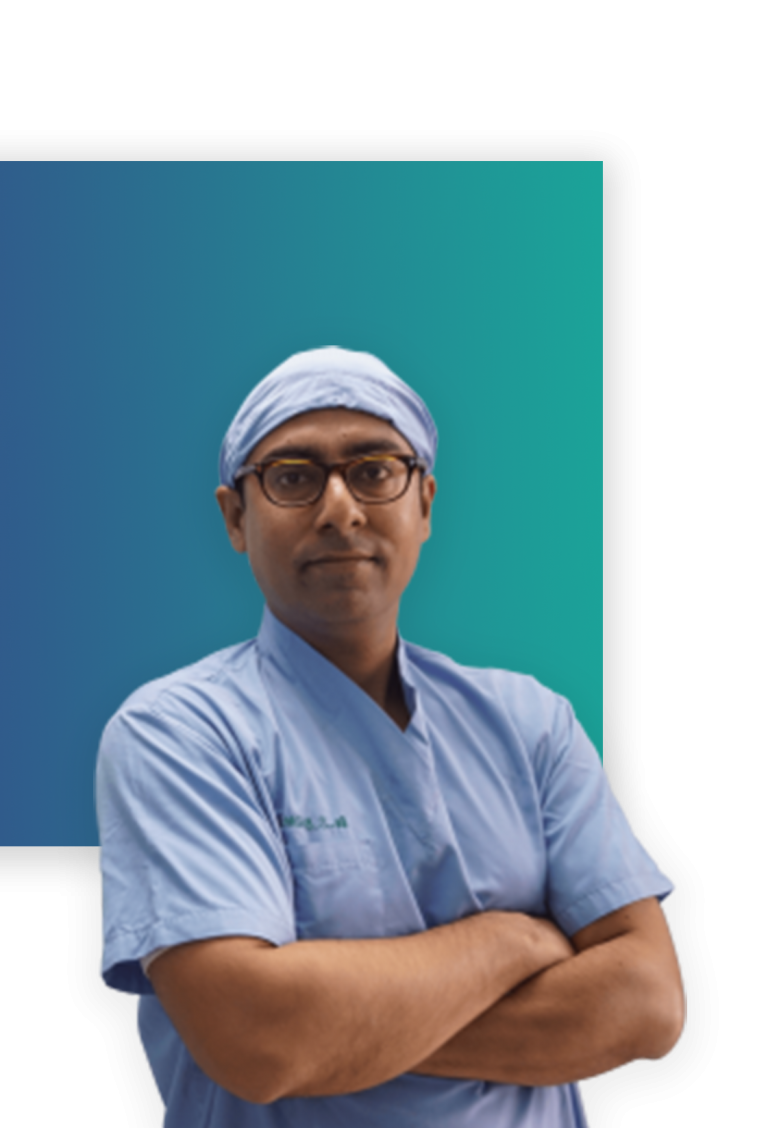
Dr. Sumit Badhwar, one of Noida’s most experienced orthopedic surgeons, has performed thousands of successful arthroscopic procedures — giving patients faster recoveries and better outcomes than traditional open surgery.

What Is Arthroscopic Surgery?

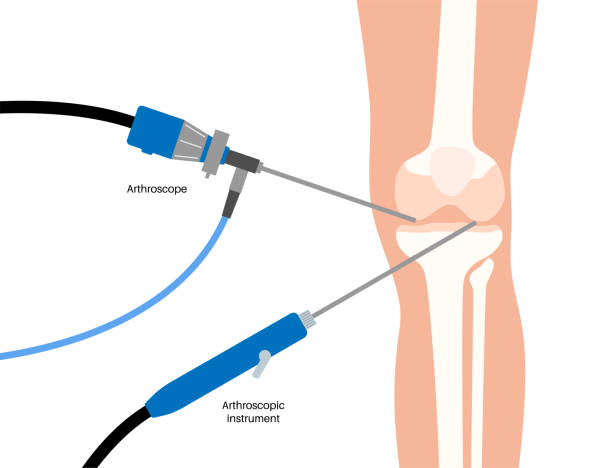
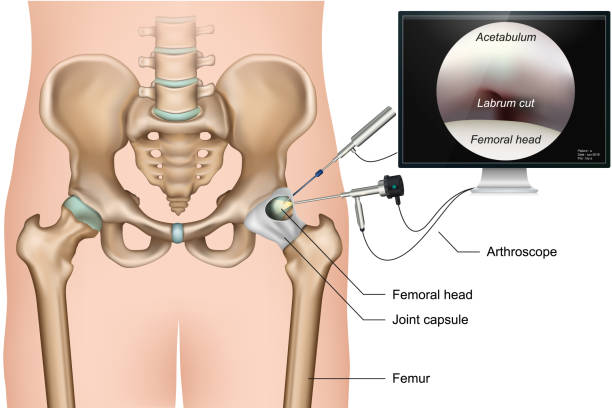
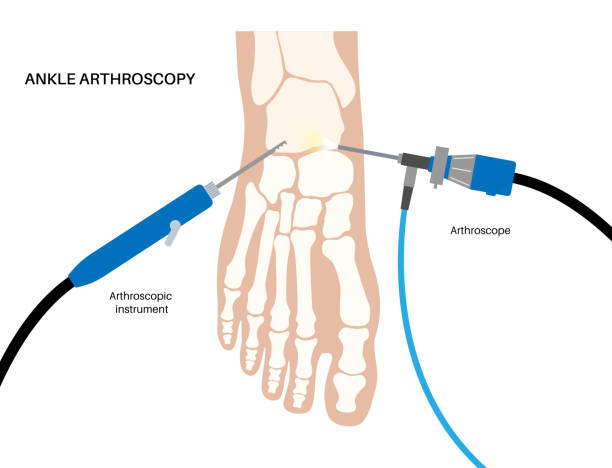
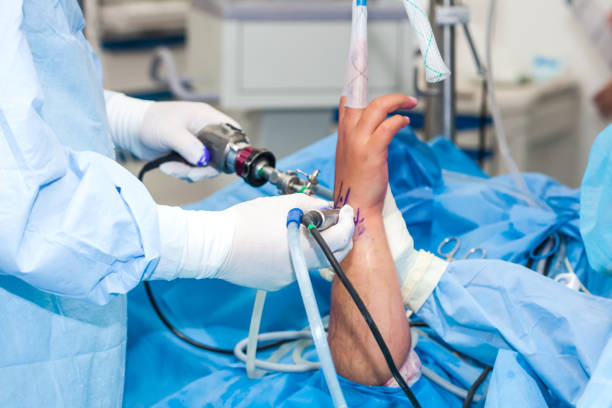
Arthroscopic surgery is a minimally invasive surgical technique used to diagnose and treat problems inside joints. Instead of a large open incision, the surgeon makes two or three tiny cuts — each about half a centimetre. A thin tube with a camera (the arthroscope) goes into one opening, and surgical instruments go into the others.

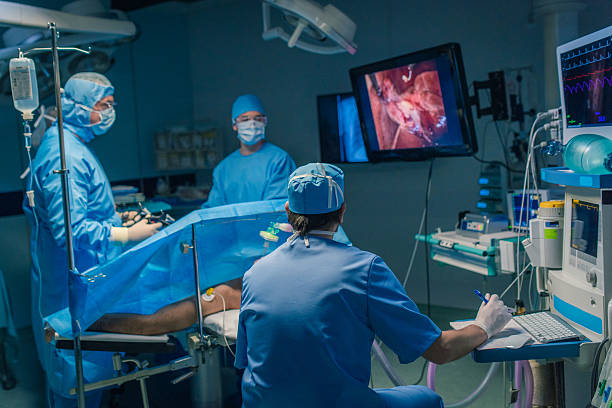
The camera sends live images to a monitor, giving the arthroscopic surgeon a clear, magnified view of the joint cartilage, ligaments, tendons, and bone surfaces. Everything that would take a large incision to see in open surgery is visible without one.

The arthroscopy procedure can be used for diagnosis alone to confirm what’s wrong when imaging results are unclear or for actual surgical repair, done in the same sitting. Most procedures are done under regional or general anaesthesia and completed within 45 minutes to 2 hours, depending on complexity.

Arthroscopic Surgery at a Glance

Feature

Details

Incision Size

2–3 small cuts (~5mm each)

Hospital Stay

Day procedure / 1 night

Anaesthesia

Regional or General

Procedure Duration

45 min – 2 hours

Return to daily life

1–2 weeks (varies by joint)

Advantage over open

Less pain, faster healing, lower infection risk

Wondering if arthroscopy is right for your joint condition? Book a Consultation with Dr. Sumit Badhwar at Bone & Joint Clinic, Noida.

Types of Arthroscopic Surgery

Arthroscopic surgery is used across multiple joints. Here are the most common types we perform at Bone & Joint Clinic:

Arthroscopic Knee Surgery

This is the most frequently performed arthroscopic procedure. Arthroscopic knee surgery addresses a wide range of knee conditions:

ACL and PCL ligament tears, meniscus damage, cartilage injuries, loose bodies inside the joint, and chronic knee pain from wear. Because the knee is a complex, heavily loaded joint, accurate diagnosis and precise surgical technique matter enormously here. Our team specialises in arthroscopic knee surgery in Noida with a focus on both surgical quality and structured rehabilitation afterwards.

Arthroscopic Shoulder Surgery

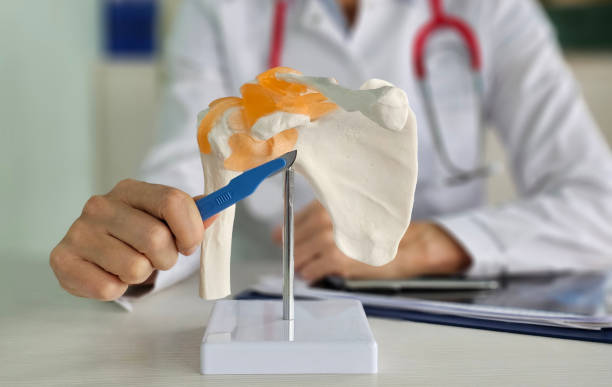
The shoulder is the most mobile joint in the body and that mobility makes it vulnerable. Rotator cuff tears, shoulder impingement, labral tears (SLAP lesions), and recurrent dislocations are all conditions where the arthroscopy procedure delivers exceptional results.

Arthroscopic shoulder surgery means far less disruption to the surrounding muscles compared to open approaches — which is critical for a joint that needs its soft tissue intact to function properly.

Arthroscopic Hip Surgery

Hip arthroscopy is used for femoroacetabular impingement (FAI), labral tears, and cartilage damage inside the hip joint. It's a more specialised procedure but highly effective when performed by an experienced arthroscopic surgeon. Recovery is generally quicker than with open hip surgery.

Arthroscopic Ankle Surgery

For chronic ankle instability, osteochondral defects (cartilage damage), and anterior ankle impingement — often seen in athletes — arthroscopy gives the surgeon access to the joint without the complications of a larger incision. Our ankle specialist in Noida handles these cases with a focus on returning patients to their sport.

Arthroscopic Shoulder Surgery

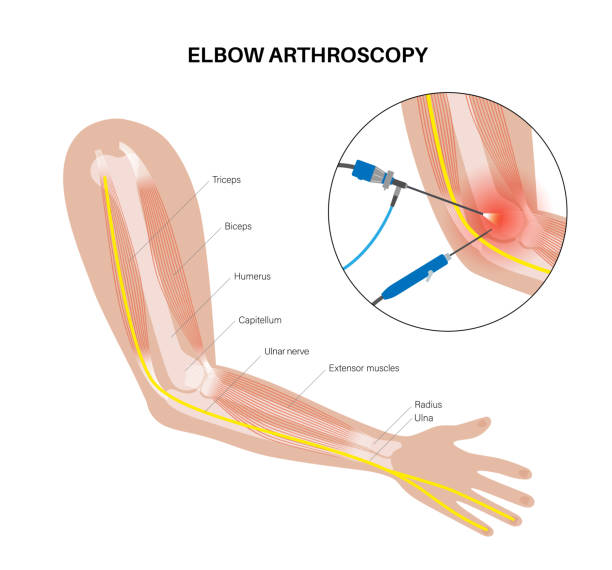
Loose bodies, tennis elbow that hasn't responded to non-surgical care, and elbow contractures are all treatable through the arthroscopy procedure. The elbow is a tightly packed joint — arthroscopy makes a real difference here, allowing access without damaging the surrounding structures.

Conditions Treated with Arthroscopic Surgery

Our arthroscopic surgeon team handles a broad range of joint conditions across the body:

ACL & PCL Ligament Tears

Complete ligament tears that need reconstruction. Arthroscopy allows the procedure without opening the knee. See our full ligament injury treatment in Noida page for more.

Meniscus Tears

The meniscus can either be repaired or partially removed (meniscectomy) depending on the tear type and location. Arthroscopic meniscus surgery is one of the most common procedures we do.

Rotator Cuff Tears

Partial and full thickness tears of the shoulder's rotator cuff tendons. Often caused by sports or repetitive overhead activity. Related to our shoulder treatment in Noida services.

Cartilage Damage & Chondral Defects

Damaged cartilage inside any joint can be addressed through the arthroscopy procedure — smoothing rough surfaces, removing damaged tissue, or facilitating cartilage regeneration techniques.

Frozen Shoulder (Adhesive Capsulitis)

When the shoulder capsule thickens and restricts movement, arthroscopic release is often the most effective solution after conservative treatment fails. Linked to our orthopedic pain management services.

Loose Bodies in the Joint

Fragments of bone or cartilage that float inside a joint cause locking, pain, and swelling. Arthroscopy removes them efficiently without disturbing the rest of the joint.

Synovitis

Inflamed joint lining causing persistent pain and swelling. Arthroscopic synovectomy removes the inflamed tissue and provides significant relief.

Chronic Joint Pain

When pain management and physiotherapy have not resolved persistent joint pain, arthroscopy both diagnoses and treats the underlying cause in one procedure.

Procedure of Arthroscopic Surgery

Understanding what actually happens during the arthroscopy procedure helps reduce anxiety and sets realistic expectations. Here’s how it typically goes:

Before the Procedure

  • Pre-operative evaluation including blood tests, ECG, and imaging (X-ray / MRI) to confirm the diagnosis.
  • Discussion about anaesthesia type — regional (numbs just the limb) or general (fully asleep).
  • Fasting for 6–8 hours before surgery if general anaesthesia is planned.
  • Any blood-thinning medications are paused as instructed by the team.

After the Arthroscopy Procedure

  • Most patients are in recovery within 1–2 hours of the procedure ending.
  • Discharge is typically the same day or the following morning, depending on the procedure.
  • A structured rehabilitation plan begins early — often within the first few days.

During the Arthroscopy Procedure

  • The patient is positioned appropriately — lying down, with the limb secured and the joint accessible.
  • Two to three small incisions (portals) are made around the joint.
  • A sterile saline solution is used to distend (expand) the joint, creating space for the instruments to move.
  • The arthroscope is inserted and the surgeon examines the entire joint on a high-resolution monitor.
  • Surgical tools are inserted through the other portals to perform the repair — whether that’s stitching a torn ligament, trimming damaged cartilage, or removing loose bodies.
  • Incisions are closed with 1–2 sutures each and dressed. No large wound.
Want to know if you need arthroscopic surgery? Book an Appointment at Bone & Joint Clinic and get a proper evaluation done first.

Recovery After Arthroscopic Surgery

Recovery is one of the biggest reasons patients choose arthroscopic surgery over open procedures. The smaller incisions mean less tissue trauma — and that translates directly into a faster, less painful recovery.

That said, recovery isn’t just about waiting. What you do after surgery matters just as much as the surgery itself.

General Recovery Timeline

Phase

What to Expect

Days 1–3

Rest, ice, elevation. Some swelling is normal. Pain is manageable with medication.

Week 1–2

Wound care, gentle range-of-motion exercises begin. Most can walk short distances.

Week 2–6

Physiotherapy starts in earnest — strength and mobility work.

Month 2–3

Gradual return to daily activities and light exercise.

Month 4–9 (if ACL/ligament)

Structured return-to-sport protocol. Full recovery depends on the procedure.

A few things that genuinely speed up recovery:

  • Physiotherapy — Non-negotiable. Structured physiotherapy in Noida after arthroscopy restores strength, range of motion, and joint control. Skipping this is the most common reason for poor outcomes.
  • Elevation and ice — Keeping the limb elevated and using ice in the first few days significantly reduces post-operative swelling.
  • Following weight-bearing instructions — Your surgeon will tell you exactly when to start putting weight through the limb. Follow this carefully.
  • Protein and nutrition — Tissue repair requires protein, vitamins C and D, and adequate calories. Don’t underestimate the role of nutrition in recovery.
  • Wound care — Keeping the wound dry and clean until sutures are removed. Our general orthopaedic team in Noida will guide you on specific wound management.

When Should You See a Doctor?

Not every joint problem needs surgery — but some do, and waiting only makes them harder to treat. See an arthroscopic surgeon if:

Joint pain has persisted for more than 4–6 weeks despite rest and basic treatment.

Your knee, shoulder, or ankle keeps giving way, locking, or catching during movement.

You heard or felt a pop during an injury — often a sign of a ligament or meniscus tear.

MRI or ultrasound has shown a ligament tear, cartilage damage, or structural abnormality inside the joint.

A previous injury keeps recurring — the same ankle sprain, the same shoulder dislocation.

You've been told you need open surgery but want to explore whether a minimally invasive option is available.

You're an athlete who needs a fast, structured return to sport — arthroscopic knee surgery and shoulder arthroscopy are often the best path for competitive players.

If you’re unsure, start with a consultation. Our sports injury doctor in Noida can evaluate your condition and advise whether arthroscopy — or a non-surgical approach — is the right next step.


Think you might need arthroscopic surgery? Book your consultation online or visit us at Bone & Joint Clinic, Noida.

Why Choose Bone & Joint Clinic for Arthroscopic Surgery in Noida

Arthroscopic surgery requires precision. The arthroscope gives you a magnified view of a tiny space  and the quality of what the surgeon does inside that space determines everything. Here’s why patients across Noida and NCR trust Bone & Joint Clinic for their arthroscopic procedures:

Dr. Sumit Badhwar — a highly experienced arthroscopic surgeon with over 2000+ successful joint procedures. His expertise spans the knee, shoulder, hip, ankle, and elbow.

Advanced arthroscopy equipment — high-definition camera systems and precision instruments that allow accurate diagnosis and treatment in the same sitting.

Minimally invasive by default — we don't open joints when arthroscopy can do the job. Smaller incisions, less blood loss, faster healing.

Integrated rehabilitation — surgery is just the beginning. Our in-house physiotherapy team in Noida works alongside the surgical team for a smooth, structured recovery.

Comprehensive joint care — from arthroscopic knee surgery and shoulder arthroscopy to ligament reconstruction and sports injury treatment in Noida, everything is available under one roof.

Flexible appointment options — book a clinic appointment or consult online — whichever works best for you.

FAQs

What is arthroscopic surgery and how is it different from open surgery?
Arthroscopic surgery uses a tiny camera (arthroscope) and small instruments inserted through 2–3 minimal incisions to diagnose and treat joint problems. Open surgery requires a large incision and direct access to the joint. Arthroscopy means less tissue damage, less post-operative pain, and faster recovery.
The surgery itself is done under anaesthesia — you won’t feel anything during the procedure. Post-operative discomfort is typically manageable with prescribed pain medication. Most patients find the pain after arthroscopic knee surgery significantly milder than they expected, especially compared to open surgery.
It depends on the complexity. Diagnostic arthroscopy or a simple meniscectomy can be done in 30–45 minutes. ACL reconstruction or a rotator cuff repair typically takes 1–2 hours. Your surgeon will give you a specific estimate based on your case.
For desk jobs, most patients return within 1–2 weeks. For physically demanding work or sports, it depends on the joint and procedure. Arthroscopic knee surgery recovery for athletes, for instance, typically spans 4–9 months with rehabilitation.
Yes. It’s one of the safest and most commonly performed orthopaedic procedures. Complication rates are very low. Risks like infection, blood clots, or nerve irritation exist but are rare — particularly in an experienced surgical setting.
Absolutely. Physiotherapy in Noida after arthroscopy is not optional — it’s a core part of treatment. Without it, outcomes are almost always worse. Rehabilitation rebuilds the strength and movement that the joint needs to function properly long-term.
Call Now Button