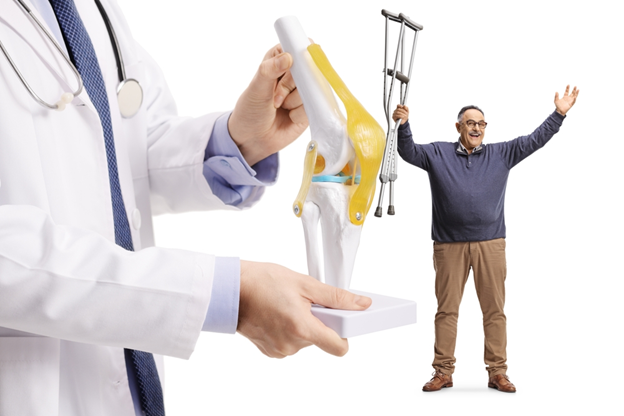
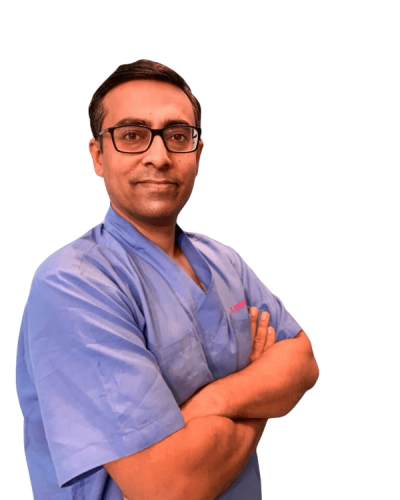
Knee pain has a way of sneaking up on you. One day you are walking fine, and a few years later you are avoiding stairs, skipping morning walks, and telling yourself the pain is manageable. For a lot of people in Noida and the surrounding areas, Dr. Sumit Badhwar has been the doctor who finally gave them their life back.
With more than 25 years in orthopaedic surgery, Dr. Sumit Badhwar runs the Bone and Joint Clinic, Noida, where he has treated thousands of knee patients, from middle-aged professionals to elderly patients who were told they may never walk normally again. If you are looking for a knee replacement surgeon in Noida who listens before he operates, you are in the right place.
Not Sure if You Need Surgery?
Come in for a consultation. Dr. Sumit Badhwar will assess your knee condition honestly and tell you exactly where you stand.
Let us start simple. Your knee joint has a cushion of cartilage between the bones. That cartilage is what allows smooth, painless movement. When it wears down, and it does wear down for many people as they age or due to injury, the bones start making direct contact. That is where the pain, stiffness, and swelling come from.
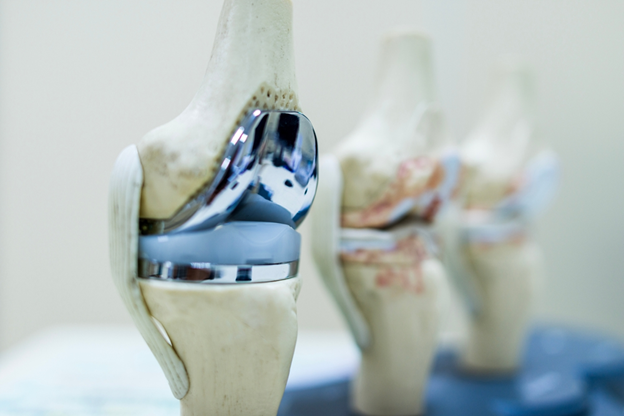
Knee replacement surgery fixes this. The surgeon removes the damaged bone surfaces and replaces them with implants made from metal and medical-grade plastic. These implants sit and move just like a natural knee. You are not losing your knees. You are getting a version of it that actually works again.
Now, the word “surgery” scares a lot of people, and that is completely understandable. But knee replacement surgery in Noida has been performed successfully for decades. The technology is reliable, the recovery process is well-understood, and in the hands of an experienced orthopaedic surgeon in Noida like Dr. Sumit Badhwar, the risks are well-managed.
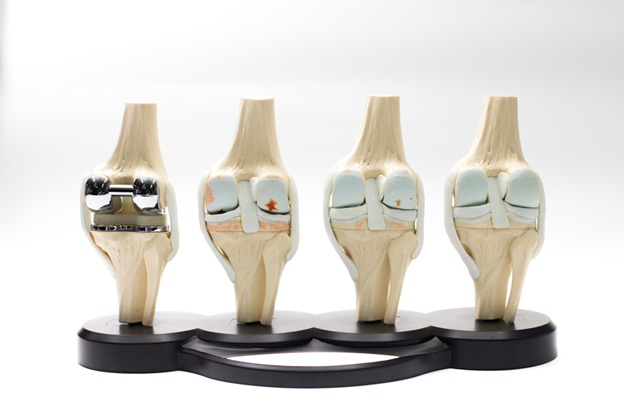
Knee replacement is not a one-size-fits-all surgery. The right procedure depends on how much of your knee is damaged, your age, your overall health, and what kind of life you want to get back to. Here are the main types Dr. Sumit Badhwar performs at Bone and Joint Clinic.
This is the most common type. The entire joint surface is replaced. It works best when arthritis or damage has spread across the whole knee. Results are very good, and most patients see a dramatic improvement in pain and movement.
Sometimes only one part of the knee is damaged while the rest is perfectly healthy. In that case, a partial replacement is a better option. It is less invasive, recovery is quicker, and you keep more of your natural knee intact.
Both knees replaced, either together or one at a time. When both knees are equally bad, doing them together means one surgery, one recovery period, and getting back on your feet faster overall.
This is for patients whose earlier knee implant has worn out or is causing problems. It is a more involved procedure and needs a surgeon with deep experience in complex knee cases. Dr. Sumit Badhwar handles revision surgeries regularly at the clinic.
Most people who end up needing knee replacement surgery in Noida have been ignoring the signs for years. They manage with painkillers, reduce activity, and hope things will improve. Sometimes they do. Often they do not.
Here are the signs worth taking seriously:
Knee pain that does not go away even after a full night's rest
Swelling that keeps coming back no matter what you take for it
You have started avoiding stairs, long walks, or sitting on the floor
The shape of your knee looks different, more bowed or angled than before
Medicines and physiotherapy gave some relief earlier but now they barely help
Your knee makes a grinding or clicking sound when you move it
Mornings are especially bad and it takes a long time for the stiffness to ease
The knee gives way sometimes when you put weight on it
None of these signs mean you absolutely need surgery right now. But they do mean something is wrong and getting a proper evaluation from a knee replacement surgeon in Noida makes sense. Waiting too long usually makes things harder to fix.
If the idea of surgery makes you anxious, knowing what actually happens helps. Here is exactly how it goes at Bone and Joint Clinic.
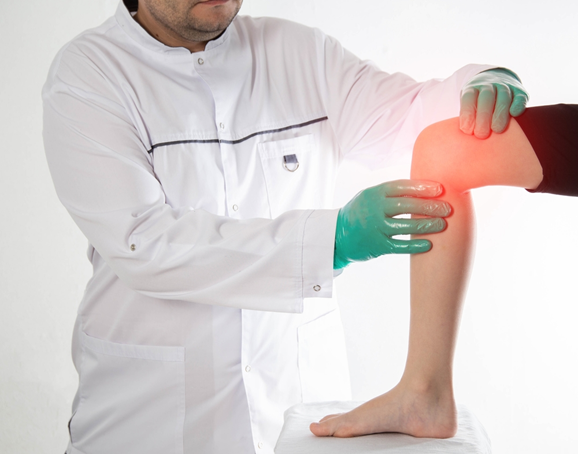
Dr. Sumit Badhwar goes through your X-rays, asks about your daily routine, examines the knee physically, and gives you a straight answer about where things stand. No pressure, no rush.
Before any surgery, a full check-up is done. Blood work, heart evaluation, and an anaesthesia review. The goal is to make sure your body handles the procedure smoothly.
You are under anaesthesia so you feel nothing. The surgery itself takes roughly 1.5 to 2 hours. Dr. Sumit Badhwar removes the worn-out surfaces and fits the implants carefully. Precision here matters a lot for how well the knee moves later.
Most patients stay 3 to 5 days. Physiotherapy starts the very next day after surgery. This early movement, uncomfortable as it sounds, is what prevents stiffness and speeds up healing.
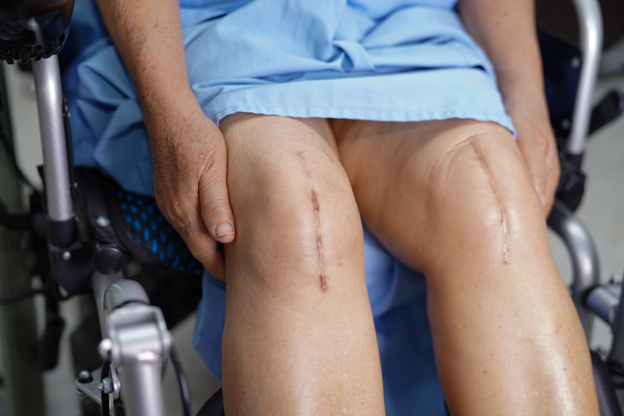
You go home with a clear physiotherapy plan. Walking with support starts within the first week for most patients. Regular exercises, follow-up visits, and some patience, and you are back to normal life within 6 to 8 weeks for most daily activities.
Across medical studies worldwide, more than 90 percent of knee replacement patients report significant pain relief and better mobility after surgery. It consistently ranks among the most successful procedures in all of orthopaedic medicine, and it has been that way for decades.
That said, the outcome depends a lot on who performs the surgery. Dr. Sumit Badhwar has been doing knee replacement surgery in Noida for over 25 years. He has operated on patients who arrived in wheelchairs and watched them walk out of the clinic weeks later. Some of his older patients, people in their 60s and 70s, are now climbing stairs and travelling without a second thought.
Modern implants are also genuinely impressive. Most last anywhere from 15 to 20 years. Some last longer. The patient’s lifestyle after surgery plays a role too. Staying active, keeping weight in check, and doing the prescribed exercises all contribute to how long the implant holds u
Recovery is not instant, and it does ask for effort. But for the vast majority of patients who commit to their rehabilitation, knee replacement surgery changes their life in ways they did not think were possible anymore.
There are quite a few orthopaedic clinics in Noida. So why do so many patients specifically look for Dr. Sumit Badhwar?
Dr. Sumit Badhwar specialises in minimally invasive techniques that mean smaller incisions, less trauma to surrounding tissue, and a significantly smoother experience overall. It is a level of precision that comes only from years of focused practice.
No two knees are the same. Before any surgery, Dr. Badhwar builds a plan around your specific joint condition, anatomy, and lifestyle. That personalized approach is what separates good outcomes from exceptional ones.
Bone and Joint Clinic uses implants that are built to last, typically 15 to 20 years or more. You are not just getting pain relief today. You are getting a knee that holds up for the long term.
Modern methods mean less time in the hospital and quicker return to daily life. Most patients are walking with support within the first week and resuming normal activities within 6 to 8 weeks.
From your first consultation to your last follow-up, Dr. Sumit Badhwar makes sure you always know where you stand. Every question gets answered. Every step of the process is explained clearly, so you never feel lost.
If your knee pain is constant, not responding to treatment anymore, and affecting your daily life, a consultation with Dr. Sumit Badhwar will give you a clear answer based on your actual reports and examination.
No. The decision depends on your health condition and the severity of joint damage, not your age.
Most patients walk with support within a week. Daily activities resume in 6 to 8 weeks. Full recovery takes about 3 months.
The procedure is under anaesthesia so you feel nothing during it. Post-surgery pain is managed with medication and eases as physiotherapy progresses.
Most modern implants last 15 to 20 years or more, especially when patients stay active and maintain a healthy lifestyle.
Yes, if both knees need replacement and you are medically fit, bilateral knee replacement is a viable option.
Cost varies based on the implant type and hospital. Visit Bone and Joint Clinic for a detailed and transparent breakdown specific to your case.
Many patients can, depending on the implant used and how well they follow through with rehabilitation.
WhatsApp us