
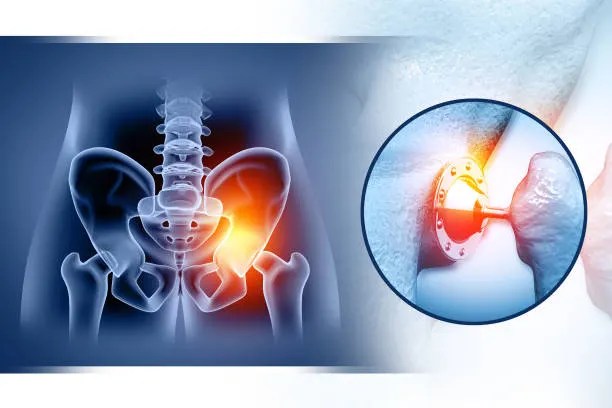
Hip joint problems can significantly affect mobility, comfort, and daily activities. Conditions such as advanced arthritis, hip fractures, avascular necrosis (AVN), and joint damage can lead to persistent pain, stiffness, and reduced movement. When medications, physiotherapy, and other conservative treatments are unable to provide sufficient relief, hip replacement surgery may help restore joint function and improve quality of life.
Dr. Sumeet Badhwar, a highly regarded orthopaedic surgeon in Noida, states, “Successful hip replacement is about more than replacing a damaged joint. It involves understanding each patient’s lifestyle, health condition, and recovery goals to create a treatment plan that supports long-term mobility and comfort.”
At Bone & Joint Clinic, Dr. Sumeet Badhwar offers advanced hip replacement in Noida, focusing on personalized treatment and evidence-based care. With 20+ years of expertise in joint replacement procedures, he evaluates each patient’s condition and recommends a suitable approach based on their health, lifestyle, and recovery goals, helping them regain mobility and improve daily comfort.
Experiencing long-term hip pain affecting your movement? Let’s explore how hip replacement surgery helps restore joint function.
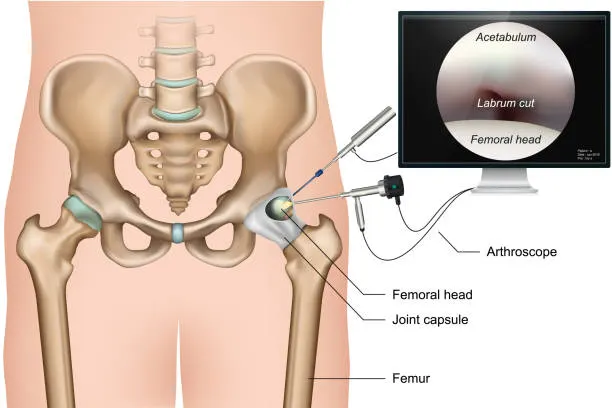
Hip replacement surgery, also known as hip arthroplasty, is an advanced procedure that involves replacing the damaged parts of the hip joint with artificial implants. The hip joint is a ball-and-socket joint that allows smooth movement between the thigh bone and pelvis. Damage to this joint due to arthritis, injury, or other conditions can cause pain and stiffness.
During hip replacement surgery, the damaged femoral head and affected socket surface are replaced with specially designed implants that help recreate natural joint movement. The procedure aims to reduce pain, improve mobility, and restore the ability to perform daily activities comfortably.
Is hip replacement the right option for your condition? Let’s discuss the situations where this procedure may be recommended.
Hip replacement surgery is generally considered for patients experiencing severe hip joint damage and reduced quality of life due to:
Osteoarthritis and rheumatoid arthritis can gradually damage the hip joint cartilage, leading to pain, stiffness, and difficulty walking.
AVN occurs when reduced blood supply damages the hip bone, causing joint deterioration and discomfort.
Severe hip fractures, especially in older adults, may require replacement when the joint structure is significantly affected.
Patients who continue to experience pain despite medications, physiotherapy, lifestyle changes, or injections may benefit from surgical evaluation.
Difficulty performing routine activities such as walking, climbing stairs, or sitting comfortably may indicate advanced hip joint problems.
A detailed assessment by an expert can help determine whether hip replacement is the most suitable treatment option.
Living with persistent hip pain can affect your everyday activities.
Connect with an orthopaedic specialist to understand suitable treatment options for your condition.
Want to understand the different hip replacement options available? Let’s explore the procedures used for restoring hip joint function.
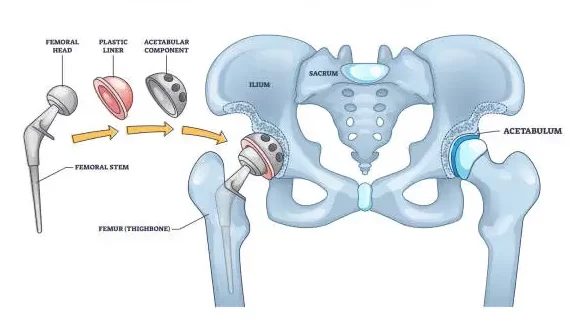
Total hip replacement involves replacing both the damaged femoral head and the socket portion of the hip joint. It is commonly performed for advanced arthritis, AVN, and severe joint damage.
Partial hip replacement focuses on replacing only the damaged femoral head while preserving the natural socket. It is often considered in specific hip fracture cases.
This technique uses smaller incisions and aims to reduce tissue damage, support faster recovery, and improve post-surgical comfort.
Revision surgery is performed when a previous hip implant requires replacement due to wear, loosening, or other complications.
Dr. Sumeet Badhwar provides individualized recommendations based on joint condition, age, activity level, and overall health.
Looking for relief from chronic hip problems? Let’s discover how hip replacement surgery can improve mobility and quality of life

Hip replacement surgery can offer several advantages for suitable patients, including:
Planning for life after hip replacement? Let’s explore the recovery process and steps that support successful healing.

Recovery after hip replacement surgery depends on factors such as age, overall health, surgical technique, and rehabilitation progress. A structured recovery plan plays an important role in restoring strength and mobility.
The recovery process may include:
Most patients gradually resume their normal activities with proper rehabilitation and care. Following post-surgery instructions helps protect the implant and supports long-term joint function.
A smooth recovery begins with the right rehabilitation plan.
Get in touch with an experienced professional to understand the steps involved after hip replacement surgery.
Planning for hip replacement treatment and want cost clarity? Let’s discuss the factors that influence the overall treatment expense.
The hip replacement cost in Noida varies depending on several factors, including:
A detailed consultation and evaluation help determine the appropriate treatment plan and estimated expenses based on individual requirements. At Bone & Joint Clinic, treatment planning focuses on providing quality orthopedic care while considering patient needs and long-term outcomes.
Seeking trusted hip replacement care? Let’s explore what makes Bone & Joint Clinic a preferred destination for joint replacement treatment.

Dr. Sumeet Badhwar brings extensive experience in joint replacement procedures, including hip and knee replacement surgeries.
Every patient receives a customized treatment plan based on their condition, lifestyle, health profile, and recovery expectations.
Treatment decisions are guided by detailed evaluation and established orthopaedic principles to support better outcomes.
Modern approaches and quality implants are used to help improve joint function, stability, and long-term performance.
Patients receive guidance throughout their treatment journey, from diagnosis and surgical planning to rehabilitation.
Structured physiotherapy and rehabilitation programs help patients regain strength, movement, and confidence after surgery.
Detailed information about the procedure, recovery process, and precautions helps patients make informed healthcare decisions.
From diagnosis to rehabilitation, Dr. Sumeet Badhwar provides complete solutions for patients seeking hip replacement surgery in Noida.
Patients with severe arthritis, AVN, hip fractures, or persistent hip pain affecting daily activities may require hip replacement evaluation.
Modern hip implants can last many years, depending on implant quality, activity level, and overall joint care.
Recovery varies among patients, but many people gradually return to normal activities within a few weeks to months with proper rehabilitation.
Hip replacement surgery has high success rates when performed for suitable patients with proper surgical planning and rehabilitation.
The cost of hip replacement in Noida depends on the type of procedure, implant choice, surgeon’s expertise, hospital facilities, and patient requirements.
Most patients regain improved walking ability after recovery with proper physiotherapy and rehabilitation.
Many patients begin assisted walking shortly after surgery under medical supervision.
The information shared in this content is for educational purposes and not for promotional use.
WhatsApp us