Ligament Injury Treatment in Noida

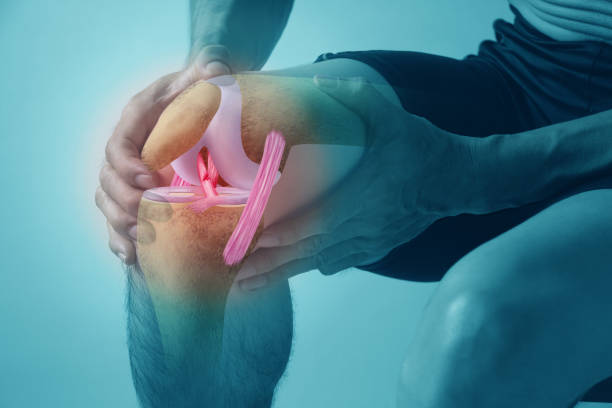
Close-up of a knee being held, with a pink brace and highlighted ligaments illustrating the knee joint and injury visualization

Ligaments are strong bands of connective tissue that provide stability to joints by connecting bones and controlling movement. Injuries to these structures can occur due to sports activities, accidents, sudden twisting movements, or excessive stress on the joints. Depending on the severity, ligament injuries may cause pain, swelling, instability, and difficulty performing daily activities.

According to Dr. Sumeet Badhwar, an esteemed orthopaedic surgeon in Noida, “Every ligament injury requires a careful assessment of the patient’s condition, activity level, and recovery goals. The focus should always be on restoring joint stability, improving mobility, and helping patients return to their normal lifestyle with the right treatment approach.”

With extensive experience in joint care, sports injuries, and arthroscopic procedures, Dr. Sumeet Badhwar provides advanced ligament injury treatment in Noida at Bone & Joint Clinic. He offers personalized care plans for ligament tears, sprains, and joint instability, combining evidence-based techniques with structured rehabilitation to support better recovery outcomes.

Close-up of a knee being held, with a pink brace and highlighted ligaments illustrating the knee joint and injury visualization

Experiencing joint pain or instability after an injury? Let’s explore how ligament damage affects movement and joint health.

What Is a Ligament Injury?

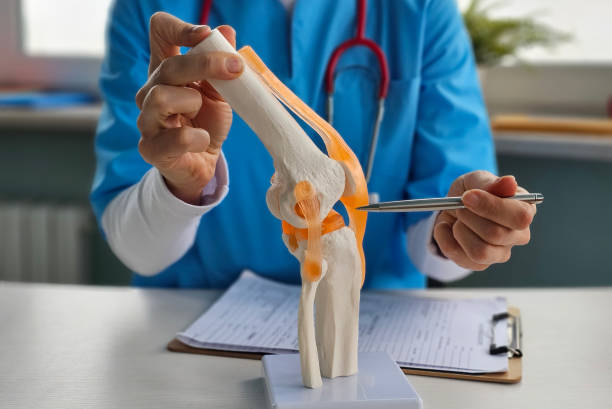
Medical professional in blue scrubs demonstrates a knee joint model with ligaments on a desk surface.

A ligament injury occurs when the strong tissues that connect bones within a joint become stretched, partially torn, or completely ruptured. Ligaments help maintain joint stability and allow controlled movement, so damage to these structures can affect the normal functioning of the affected joint.

Ligament injuries commonly occur in the knee, ankle, shoulder, wrist, and elbow. Knee ligament injuries, especially involving the Anterior Cruciate Ligament (ACL), are frequently seen among athletes and individuals involved in high-impact activities.

The severity of a ligament injury depends on the extent of tissue damage:

  • Grade 1 Injury: Mild stretching of the ligament with minor pain and swelling.
  • Grade 2 Injury: Partial tearing of ligament fibres causing increased pain and joint instability.
  • Grade 3 Injury: Complete ligament tear that may require surgical repair or reconstruction.

Want to know what leads to ligament damage? Let’s discuss the common causes behind these injuries.

What Causes Ligament Injuries?

Hip replacement surgery is generally considered for patients experiencing severe hip joint damage and reduced quality of life due to:

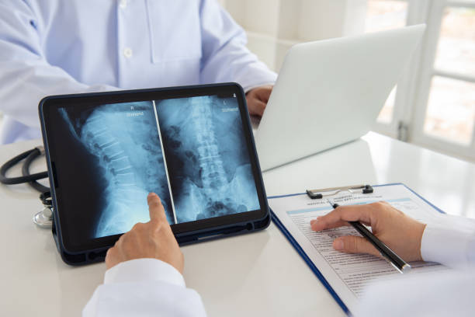
Doctor or clinician points to spine X-ray images on a tablet during a medical consultation, with a clipboard and stethoscope visible on the desk.

Sports Injuries

Activities involving running, jumping, sudden direction changes, or physical contact can put excessive stress on ligaments. Sports such as football, basketball, cricket, and skiing commonly increase the risk of ligament injuries.

Accidents and Falls

Road accidents, workplace injuries, or falls can create strong impact forces that damage joint-supporting ligaments.

Age-Related Changes

With increasing age, ligaments may lose flexibility and strength, making joints more vulnerable to injuries.

Ligament injuries can result from sudden movements, excessive force, or repeated stress on the joints. Some common causes include:

Sports Injuries

Activities involving running, jumping, sudden direction changes, or physical contact can put excessive stress on ligaments. Sports such as football, basketball, cricket, and skiing commonly increase the risk of ligament injuries.

Sports Injuries

Activities involving running, jumping, sudden direction changes, or physical contact can put excessive stress on ligaments. Sports such as football, basketball, cricket, and skiing commonly increase the risk of ligament injuries.

Sudden Twisting Movements

A sudden twist or awkward landing can overstretch or tear ligaments, especially in weight-bearing joints like the knee and ankle.

Overuse and Repetitive Stress

Repeated movements without proper rest can gradually weaken ligaments and increase the chances of injury.

Persistent joint discomfort after an injury requires expert evaluation. Connect with a specialist to identify the cause and receive suitable ligament care.

Are all ligament injuries treated in the same way? Let’s explore the different types and how they affect joint stability.

Types of Ligament Injuries

Recognising the warning signs early can prevent long-term nerve damage. You should consult a spine specialist if you experience:

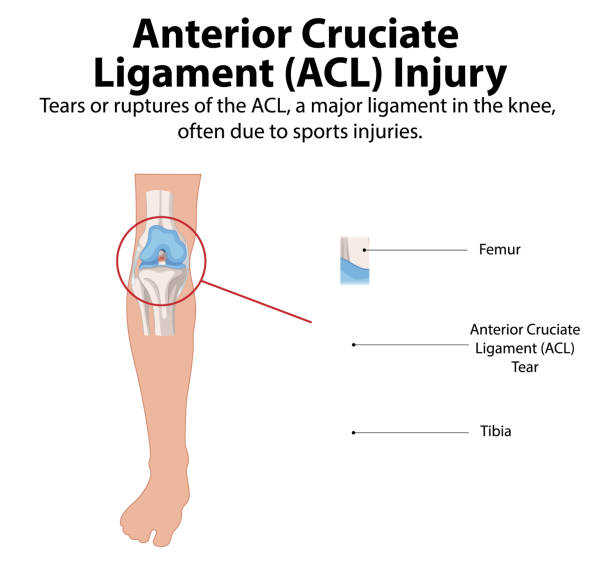
Infographic about ACL injury: diagram of a leg knee with a torn anterior cruciate ligament circled, showing femur and tibia labels.

ACL Injury

The Anterior Cruciate Ligament (ACL) is one of the major stabilizing ligaments of the knee. ACL injuries often occur due to sudden stops, direction changes, or sports-related movements.

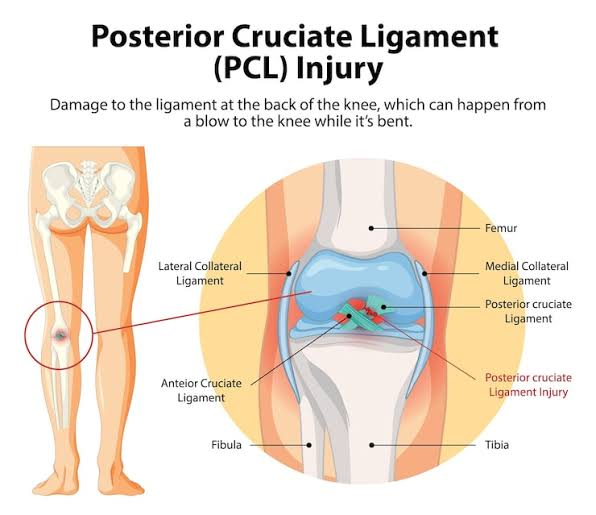
Medical infographic of knee ligaments showing a posterior cruciate ligament injury; zoomed cross-section labels bones and ligaments.

PCL Injury

The Posterior Cruciate Ligament (PCL) helps maintain knee stability. PCL injuries usually occur due to strong impact, such as during vehicle accidents or sports trauma.

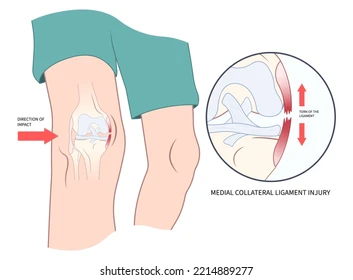
Diagram of a knee showing an injury to the medial collateral ligament (MCL); red arrows indicate the direction of impact, with a circular inset illustrating the ligament injury and its location on the knee.

MCL Injury

The Medial Collateral Ligament (MCL) provides support to the inner side of the knee. It can be injured due to direct blows or stress placed on the outer knee.

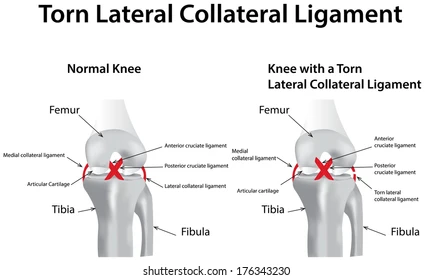
Side-by-side knee diagrams: left shows a normal knee with labeled ligaments; right shows a knee with a torn lateral collateral ligament, marked by a red X.

LCL Injury

The Lateral Collateral Ligament (LCL) supports the outer side of the knee and may get damaged due to forceful twisting or impact injuries.

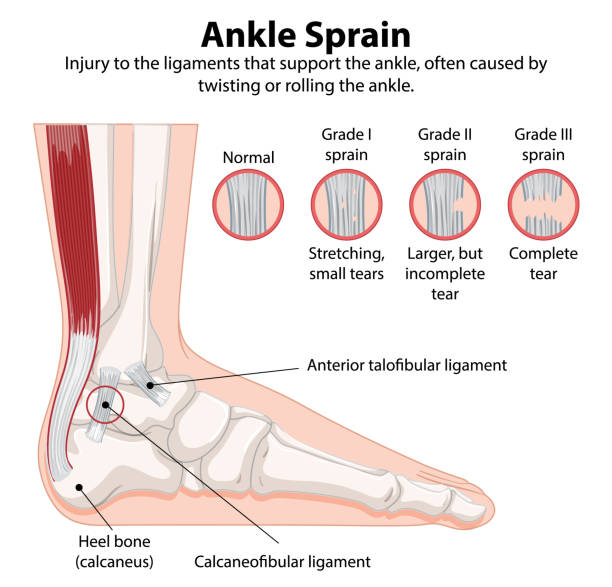
Diagram of an ankle in side view showing bones and ligaments (calcaneofibular and anterior talofibular ligaments) with insets comparing normal to Grade I–III sprains: stretching, larger incomplete tear, and complete tear.

Ankle Ligament Injury

Ankle ligament injuries commonly occur due to ankle twisting or rolling, leading to swelling, pain, and difficulty walking.

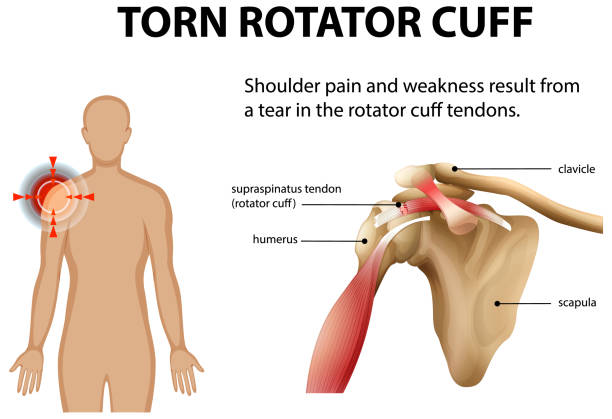
Illustration of a torn rotator cuff causing shoulder pain, showing a highlighted shoulder on the left and a labeled shoulder anatomy diagram (clavicle, supraspinatus tendon, humerus, scapula) on the right.

Shoulder Ligament Injury

Shoulder ligament injuries may affect joint stability and can occur due to falls, sports injuries, or repetitive overhead activities.

Noticing unusual joint symptoms after an injury? Let’s discover the signs that may indicate ligament damage.

Symptoms of a Ligament Injury

Common symptoms of ligament injuries include:

Pain around the affected joint

Swelling and tenderness

Injuries from accidents, falls, or sports

Reduced range of motion

Symptoms may vary depending on the location and severity of the injury. Proper evaluation helps identify the exact condition and prevent further joint damage.

Joint instability or feeling of weakness

Difficulty walking or putting weight on the affected area

A popping sound during injury, especially in knee ligament tears

Need clarity about your ligament condition? Let’s explore the methods used for accurate diagnosis.

How Is a Ligament Injury Diagnosed?

A ligament injury diagnosis begins with a detailed physical examination and discussion about the injury history. Being a seasoned ligament injury doctor in Noida, Dr. Sumeet Badhwar evaluates joint movement, stability, pain levels, and swelling to understand the extent of damage.

Diagnostic methods may include:

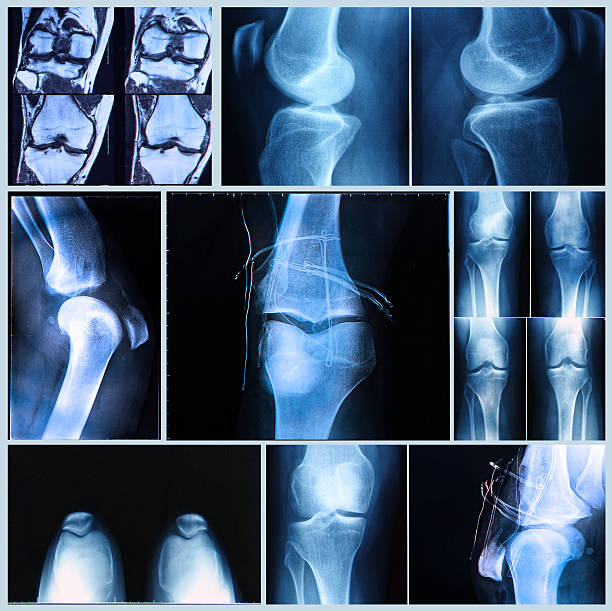
Collage of knee X-rays in blue tint showing bones from multiple angles, including post-surgical images with wires/plates.

Physical Examination

The doctor performs specific movement tests to assess joint stability and identify possible ligament damage.

X-Ray

The doctor performs specific movement tests to assess joint stability and identify possible ligament damage.

MRI Scan

MRI provides detailed images of soft tissues, including ligaments, tendons, and cartilage, helping identify tears and injury severity.

Ultrasound

In certain cases, ultrasound may help assess soft tissue conditions around the joint.

Now, let’s explore the treatment options that help restore joint strength, stability, and movement.

How Is a Ligament Injury Treated?

Treatment for a ligament injury depends on the severity of damage, affected ligament, joint stability, and the patient’s activity level. Dr. Sumeet Badhwar evaluates each condition through clinical examination and imaging to recommend the most suitable treatment approach.

Non-Surgical Treatment

Mild to moderate ligament injuries are often managed with conservative care focused on reducing pain, improving stability, and restoring joint function.

Rest and Activity Modification:

Limiting activities that put stress on the injured ligament helps support natural healing.

Rest and Activity Modification:

Limiting activities that put stress on the injured ligament helps support natural healing.

Physiotherapy:

Customized rehabilitation exercises improve muscle strength, flexibility, balance, and joint stability.

Physiotherapy:

Customized rehabilitation exercises improve muscle strength, flexibility, balance, and joint stability.

Bracing and Support:

Braces or support devices help protect the injured joint during the recovery phase.

Bracing and Support:

In selected cases, regenerative treatment options may be considered based on the injury type and patient condition.

Surgical Treatment

Surgery may be recommended for complete ligament tears, severe injuries, or ongoing joint instability despite conservative care. Dr. Sumeet Badhwar, an ace ligament injury specialist in Noida, uses advanced surgical approaches to restore joint stability and improve function.

Ligament Repair:

The damaged ligament is repaired by restoring the torn tissue when suitable.

Ligament Reconstruction:

A graft is used to replace the damaged ligament and restore joint stability.

ACL Reconstruction:

A commonly performed procedure for complete ACL tears, helping regain knee stability and prevent repeated injuries.

Arthroscopic Ligament Surgery:

A minimally invasive technique using a camera and specialized instruments for precise treatment with smaller incisions and smoother recovery.

Take the right step toward better joint health and mobility. Get in touch with an experienced orthopaedic specialist to explore suitable ligament injury treatment options.

Want to understand the recovery journey after ligament treatment? Let’s discuss the steps that support safe healing and improved mobility.

Recovery After Ligament Injury Treatment

Recovery after ligament injury treatment depends on the severity of damage, treatment method, and patient rehabilitation. A structured recovery plan helps restore strength, flexibility, and joint stability.

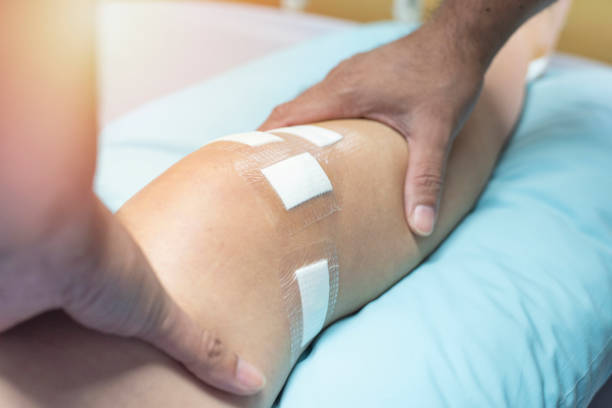
Close-up of a patient's knee with white adhesive bandages taped in place, held by a caregiver.

Physiotherapy exercises to improve mobility and strength

Gradual return to daily activities

Muscle strengthening programs

Movement training to prevent future injuries

Lifestyle modifications based on activity levels

For severe ligament tears requiring surgery, rehabilitation plays an important role after the procedure. A personalized recovery plan helps patients regain confidence and return to their normal routine.

Close-up of a patient's knee with white adhesive bandages taped in place, held by a caregiver.

Seeking a skilled surgeon you can truly trust with your spine? Let’s discover what sets Dr. Sumit Badhwar apart.

Why Choose Bone & Joint Clinic for Ligament Injury Treatment in Noida

Choosing the right surgeon makes all the difference to your outcome. As an ace orthopedic surgeon in Noida, Dr. Sumit Badhwar offers a combination of skill, technology, and care that few can match:

Smiling male surgeon in blue scrubs and glasses, arms crossed, with an operating room team in the blurred background.

Experienced Orthopaedic Expertise

Led by Dr. Sumeet Badhwar, an eminent orthopaedic doctor in Noida with expertise in ligament injuries, joint care, arthroscopy, and sports-related conditions.

Evidence-Based Treatment Approach

Dr. Badhwar follows scientifically supported treatment methods, combining advanced medical techniques with proven rehabilitation protocols.

Expertise in Conservative and Surgical Care

Patients receive appropriate treatment options ranging from physiotherapy and rehabilitation to advanced surgical procedures whenever required.

Advanced Diagnostic Evaluation

Detailed clinical assessments and imaging support accurate diagnosis of ligament tears, joint instability, and associated injuries.

Focus on Rehabilitation and Recovery

Customized rehabilitation programs help improve joint strength, mobility, flexibility, and overall function after treatment.

Specialized Joint and Sports Injury Care

With experience in arthroscopy and musculoskeletal disorders, Dr. Badhwar provides focused care for sports injuries and ligament-related conditions.

Smiling male surgeon in blue scrubs and glasses, arms crossed, with an operating room team in the blurred background.

FAQs

1. What is the best treatment for a ligament injury?

Treatment depends on the severity of the injury. Mild injuries may improve with rest, physiotherapy, and rehabilitation, while severe tears may require surgery.

Recovery time varies based on injury grade and treatment method. Mild injuries may heal within weeks, while complete tears may require several months.

Some partial ligament tears can heal with proper rehabilitation and conservative treatment. Complete tears may require surgical intervention depending on joint stability and activity requirements.

Medical evaluation is recommended if there is persistent pain, swelling, joint instability, or difficulty moving the affected joint.

The cost depends on factors such as injury severity, diagnostic tests, treatment method, and whether surgery is required.

ACL injuries are treated based on severity, activity level, and joint stability. Treatment may include rehabilitation or ACL reconstruction surgery.

Yes, physiotherapy helps improve strength, flexibility, and joint stability during ligament injury recovery.

Disclaimer:

The information shared in this content is for educational purposes and not for promotional use.

Call Now Button