Skip to content

Avascular necrosis of the hip happens when the blood supply to the femoral head is interrupted, causing the bone to slowly die. Common causes include long-term steroid use, heavy alcohol intake, hip trauma, and certain medical conditions like sickle cell disease. Sometimes no clear cause shows up at all, and the diagnosis comes only after persistent pain pushes the patient toward imaging. Catching it early decides how much of the hip can still be saved.
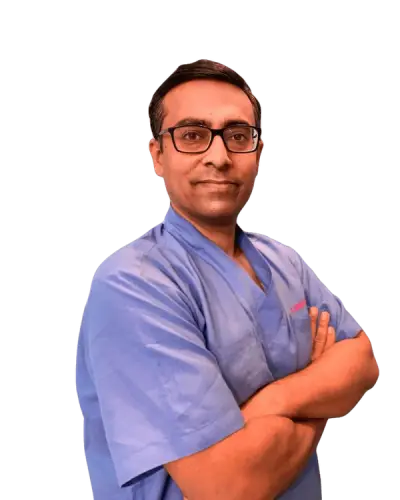
According to Dr. Sumit Badhwar, Best Orthopedic Surgeon in Noida, “Avascular necrosis is one of those quiet conditions where the bone is already dying months before the pain forces the patient through my door, and the earlier we catch it, the more of the hip we get to keep.”
Persistent hip pain that just isn’t easing? Book Appointment
Table of Contents
ToggleWhat Are the Main Causes of Hip Avascular Necrosis?
The condition has a handful of well-known triggers, and most patients we see fall into one of these categories.
Steroid use is one of the most frequent culprits, since long courses of medication for asthma, autoimmune disease, or skin conditions can quietly damage the blood supply to the femoral head.
Heavy alcohol intake. Regular, prolonged drinking interferes with blood flow and fat metabolism, both of which the hip bone needs to stay healthy.
Hip trauma matters too. A fracture or dislocation can tear the small vessels feeding the femoral head, and the bone behind them simply can’t survive without that supply.
Underlying conditions like sickle cell disease, lupus, and clotting disorders raise the risk significantly, often in younger patients who’d otherwise have no business with a failing hip.
Pinning down the cause shapes the treatment. A thorough assessment for hip replacement surgery only follows once the underlying driver has been understood.
Who Is Most at Risk of Developing It?
Some people walk into the clinic with no obvious cause, but plenty fit a profile we recognise quickly.
Middle-aged men. The condition turns up most often between 30 and 60, and men outnumber women in most clinic populations.
Long-term steroid patients sit high on the risk list, with rheumatology and transplant patients being the groups most often affected.
Those with sickle cell disease are particularly vulnerable, often developing AVN much earlier in life than the general population would.
Anyone with a past hip injury that didn’t heal cleanly is worth a second look, even years down the line, because the damage can stay silent for ages.
Knowing the risk lets us look earlier. For a deeper read on what hip pain in adults usually signals, this guide on hip pain in adults helps tell ordinary aches apart from something more serious.
Why Choose Dr. Sumit Badhwar for Avascular Necrosis Hip Treatment?
Dr. Sumit Badhwar has spent more than 20 years in orthopedics and completed over 2000 joint procedures with a 100% success rate and no infections. AVN cases get evaluated thoroughly, with imaging, history, and risk factors weighed before any surgical decision is made.
Patients caught at an early stage often keep their own hip with conservative care, while those who arrive late get a hip replacement built around their specific anatomy. Catching the condition early is half the battle, and a careful diagnosis is where that starts.
Call +91 8104310753 to book your consultation.
FAQ’s
Can avascular necrosis of the hip be reversed?
Early stages can sometimes be managed without surgery, but advanced cases usually need hip replacement.
How is avascular necrosis diagnosed?
MRI is the most reliable test, often picking up early changes long before an X-ray would.
Does avascular necrosis always cause pain?
Pain usually develops as the bone weakens, though some early cases stay surprisingly quiet.
Is avascular necrosis preventable?
Reducing steroid use, limiting alcohol, and treating injuries promptly all lower the risk significantly.
Disclaimer:
This blog is intended for educational purposes only and should not be considered medical advice.
For accurate diagnosis and treatment, please consult a certified orthopedic doctor.