Skip to content

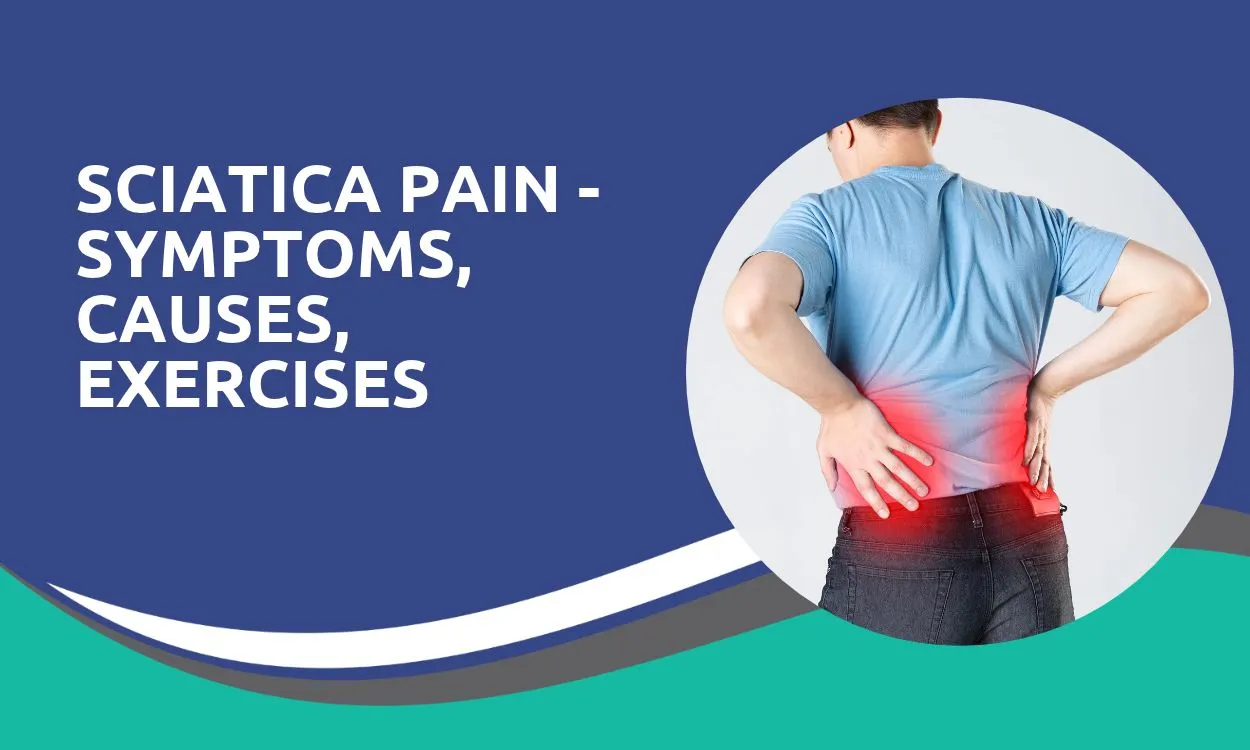
Imagine that you are working at your desk in sector 62, or driving in traffic near the expressway, and suddenly a pain comes down the back of your leg from your lower back area. You shift positions. It goes away for some time. 10 minutes later the pain comes back and this time it reaches your calf.
Such painful sensations may happen to many people and we know what sciatica is. It is frustrating experience, it is frightening the first time, but in most cases – it is easily treatable. Sciatica treatment in Noida is among the most common reasons for visiting Bone & Joint Clinic located in Sector 31, where Dr. Sumit Badhwar works as an orthopedic surgeon. In this post, we describe what sciatica is, its symptoms, causes, exercises, and indications for visiting a specialist.
Table of Contents
ToggleWhat Is Sciatica and Where Do You Feel It?

Sciatica is not a disease itself but rather a condition characterized by pain that travels along the sciatic nerve. The sciatic nerve is the largest in the body and it stretches from the lower spine through the buttocks down the legs to the feet. In case the nerve roots of the sciatic nerve are compressed somewhere in the lower spine, it causes pain along this entire pathway. Usually on one side only. The pain may start from the lower spine, go through the buttock, back of the thigh, calf, and even reach the toes. Sometimes, people feel sciatic pain only in the buttock and thigh region, and this situation also is considered as sciatica.
Another important fact that people forget about is that the site of compression (spine) may feel normal while leg is experiencing severe pain.
What Are the Common Symptoms of Sciatica?
Every patient describes it differently. It may burn, it may be felt as jolt or deep aching. Some other typical symptoms of sciatica include pain traveling from the buttock down one leg, tingling sensation in the leg or foot, numbness in certain areas of the leg or toes, weakness while lifting up the foot or standing on the toes.
In addition, sciatica pain often increases while sitting, coughing, sneezing and bending forward. Most patients complain that it becomes worst in the morning and after a long ride in car, but disappears while walking. Also, lying supine with bent knees position makes the patients feel better. If the pain caused by sciatica interferes with sleep and work, you need to seek for sciatica treatment in Noida
Leg Pain That Won’t Go Away?
Our specialists focus not only on the pain but on its causes. Share your x-rays or MRIs results with the request for booking the consultation and the time spent with you will be focused on treatment planning.
Book a Clinic Appointment
What Causes Sciatica Pain?

In most cases, the cause of sciatica pain is a slipped (herniated) disc. The soft cushion between two vertebrae bulges out and compresses a nerve root. Such condition occurs in people aged between 30 and 50 years and it is very common among desk workers.
There are several other causes of sciatic pain which are common enough to be mentioned. Spinal stenosis (narrowing of the spinal canal) affects mostly elderly people and it often causes leg pain during walking. Spondylolisthesis (displacement of one vertebra forward over the other one) may cause the nerve compression. Piriformis syndrome occurs when tight piriformis muscle irritates the sciatic nerve. Trauma (fall, car accident etc.) may cause sciatica pain and so does pregnancy. In very rare cases, tumor or infection may cause sciatica and this is the reason not to make guesses.
In addition, there are some risk factors that increase the likelihood of developing sciatica. They include long period of sitting in rounded posture, lifting heavy objects with a curved back, smoking which affects disc health, being overweight, having thick wallet in your back pocket. In case of sports injury as a cause of sciatica, read our post about sports injury treatment in Noida.
Determining the exact cause of the pain is the main goal of the initial visit to the orthopedic surgeon in Noida. In most cases, an experienced doctor starts with taking thorough history and performing physical examination and then proceeds to imaging studies (X-ray or MRI). You can read more about spine pain management on our back pain treatment in Noida page.
When Should You See a Doctor for Sciatica?
There are many cases when sciatica heals itself in 4-6 weeks with minimal care. But there are certain signs that require immediate attention.
Visit emergency department if you have: loss of bladder or bowel control, numbness in the groin area (saddle area), weakness of both legs, severe pain immediately after an accident. These signs may indicate cauda equina syndrome, which is surgical emergency and time is very important here.
Visit Bone & Joint Clinic if: the pain is still there after 4-6 weeks, the pain keeps getting worse, your foot drags or feels weak, pain wakes you up at night, you have fever or unexplained weight loss.
Even in case if you have no such symptoms, an orthopedic surgeon in Noida will save you many months of unnecessary suffering. Early diagnosis of the condition usually helps to reduce recovery period and it eliminates the guesswork about treatment.
What Exercises May Help With Sciatica Pain?
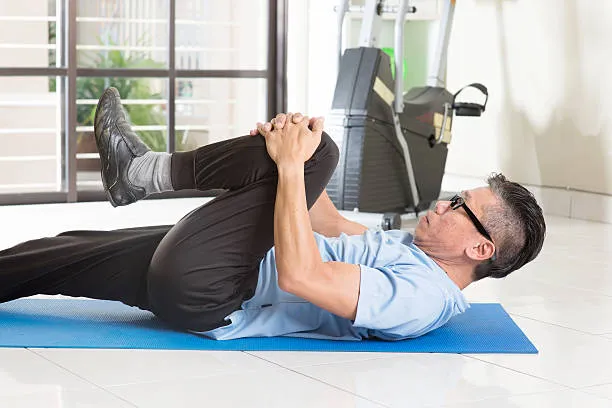
Gentle exercises usually have better results than bed rest. The latter one is known to cause stiffness and delay recovery process. But, it is better to start doing exercises only after visiting a doctor and physiotherapist who determines the causes of your pain.
Some of the exercises usually recommended are: pelvic tilts (lying on your back, knees bent, flattening your lower back against the floor for 5 seconds), knee-to-chest stretch (one leg at a time, holding it for 20 to 30 seconds), cat-cow on hands and knees to move your spine gently, piriformis stretch (lying on your back, crossing one ankle over the opposite knee and pulling towards your chest), and glute bridges to activate muscles of the lower back. Short and gentle walks are also useful. Even 10 minutes, a few times per day will help.
Some rules are more important than exercises themselves. Start exercising gently, avoid exercises which increase the pain, especially if the pain travels further down the leg (this is a bad sign). Avoid deep flexion (forward bends, toe touches, full sit-ups) until the inflammation goes down. Don’t push yourself through sharp pain. Mild aching is normal, sharp or shooting pain means that you should stop. Our physiotherapy team will recommend you the routine based on your condition.
Want a Plan That Fits Your Back?
Not all exercises are suitable for all patients. Talk to us, and we will tell you what exercises you should do and avoid and how to build up your training.
What Other Treatment Options Are Available for Sciatica?
In most cases, sciatica can be healed without surgery. It is worth mentioning because “back pain” always causes fear of operation among many patients. However, the treatment options usually follow one ladder and one moves to the next step only in case if the previous one didn’t help.
The first step of the treatment includes: maintaining activity, using heat or cold packs for short periods of time, making corrections in sitting and lifting positions and taking pain-relieving medications prescribed by your doctor. Often, patients also need medications for neuropathic pain or muscle spasms. Do not take these medications for months.
The second step is physiotherapy, posture correction and core strengthening. This step often prevents sciatica from recurring. For many patients, sciatica pain treatment consists mostly of this step.
In case of resistant pain, third step involves the use of epidural steroid injection near the irritated nerve to calm it down and gain some time for physiotherapy to heal.
Finally, surgery. It is used rarely as a treatment option in case if the pain persists despite 4-6 weeks of proper treatment, or there is worsening weakness, loss of bladder or bowel control. The standard procedure involves removal of hernia or disc material compressing the nerve. In case of surgery, surgeon will explain to you why it is necessary.
If you are looking for sciatica treatment in Noida, a clinic that offers all above-mentioned treatment options starting from the first consultation to surgery, will save you lots of time of running around different clinics.
Conclusion
Sciatica sounds like a dramatic condition, but it has good prognosis. It often improves in 4-6 weeks in case if proper combination of physical activity, corrections of the posture, in case of necessity – medications and physiotherapy are applied.
What is important is to understand the cause of your pain, recognize warning signs and not to ignore the condition.
If you want to consult orthopedic surgeon in Noida and to get a reliable answer about your leg pain, Bone & Joint Clinic and Dr. Sumit Badhwar are ready to help you. We offer sciatica treatment in Noida which starts with listening to your problems and ends with the treatment plan that you can follow. Contact us and book an appointment and bring your recent scans with you.
Disclaimer: This article is for informational purposes only and does not substitute medical consultation. Please consult with a qualified doctor for diagnosis and treatment.
FAQs
1. What is the fastest way to relieve sciatica pain?
Gentle walking, using heat or cold packs for short periods of time and avoiding long sitting may help. In case of strong pain, consult your doctor to get safe pain relieving medication.
2. How long does sciatica last?
In most cases it improves in 4 to 6 weeks. Some cases take more time. In case if the pain lasts longer than 6 weeks, please consult your doctor.
3. Is walking good for sciatica?
Usually yes. Walking keeps the spine active. Stop if your pain radiates further down your leg.
4. When is sciatica serious?
Loss of bladder or bowel control, numbness of the groin area, weakness of the leg or pain after an accident require emergency visit.
5. Can sciatica go away on its own?
Often yes, within 4-6 weeks. But repeated or severe pain requires a diagnosis, so don’t ignore it.
6. Does sciatica need surgery?
Rarity. In most cases it goes away with exercises, physiotherapy and medications.