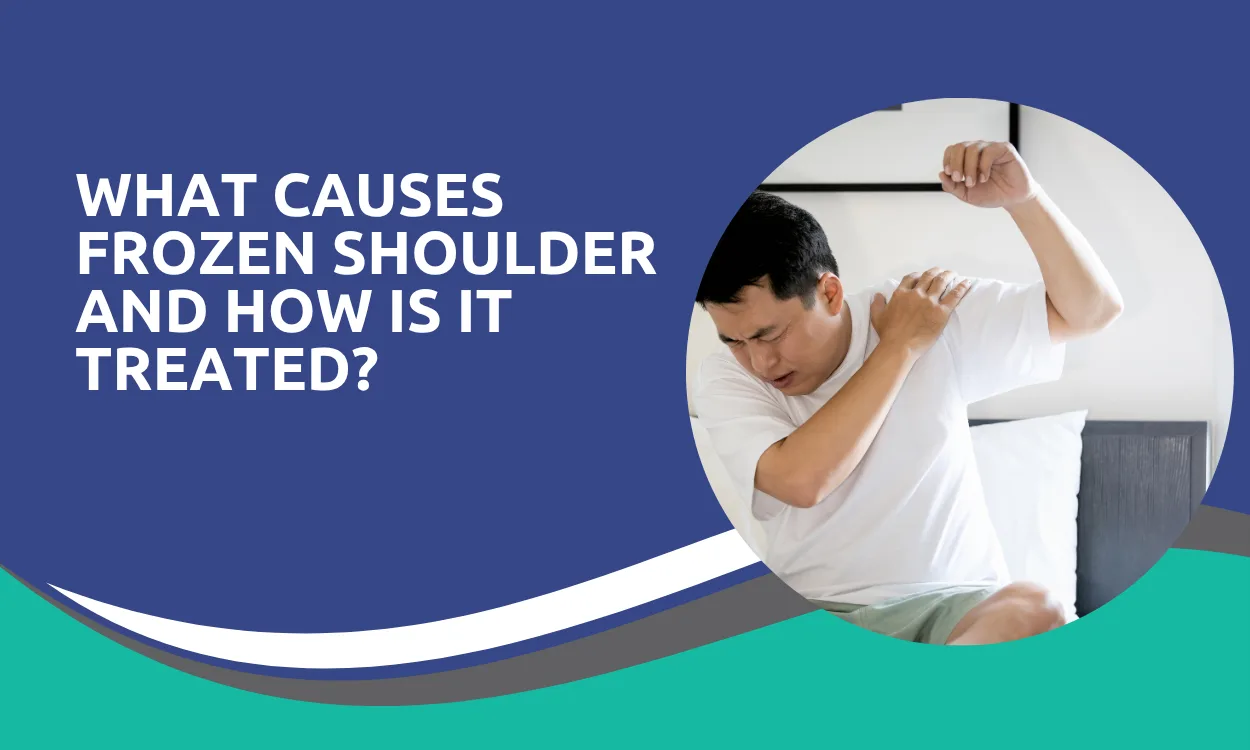
Doctors call it adhesive capsulitis, but most people just know it as the shoulder that quietly stops working. The capsule wrapped around the joint thickens over time, tightens, and builds up scar tissue inside itself. Shoulder pain shows up first, usually mild, and stiffness creeps in right behind it. There’s rarely one injury behind it. It just happens, slowly enough that most people miss the early signs.
According to Dr. Sumit Badhwar, one of the Best Orthopaedic Doctor in Noida, “Most patients wait far longer than they should, chalking the stiffness up to a pulled muscle or bad sleep. By the time they can’t reach behind their own back, the capsule’s already tightened a lot. Catch it early. It saves months.”
Table of Contents
ToggleWhat Causes Frozen Shoulder?
Nobody’s pinned down one single cause. But a few risk factors keep showing up in nearly every case.
- Diabetes: Diabetics run a noticeably higher risk here. Nobody’s fully explained why, but the pattern’s consistent across studies.
- Prolonged Immobility: A shoulder surgery, a fracture, even a long illness that keeps the arm still for weeks, any of these can set it off.
- Age and Gender: Most cases land between 40 and 60. Women get diagnosed more than men, and that gap holds up pretty consistently.
- Thyroid Disorders: Both hypothyroidism and hyperthyroidism seem to raise the risk. The reason isn’t clear, but the connection keeps turning up.
Ignoring it doesn’t make it go away, it just gets worse. Our physiotherapy care protocols rebuild range of motion one stage at a time.
What Is the Best Frozen Shoulder Treatment?
Treatment really comes down to which stage you’re in, freezing, frozen, or thawing. Each one calls for something different.
- Physical Therapy: Stretching and mobility work do most of the heavy lifting here, especially early on, in the freezing and frozen stages.
- Pain Management: NSAIDs or a corticosteroid injection take the edge off enough to make therapy bearable.
- Hydrodilatation: A saline injection stretches the tightened capsule from the inside. Many patients feel the difference within days.
- Surgery: Manipulation under anesthesia or arthroscopic release stay reserved for the cases that don’t budge after months of conservative care. That’s a small number, honestly.
Not sure if your shoulder’s past the point where stretching alone helps? Same warning signs apply here as anywhere else. Our signs of specialist care guide lays out exactly when to stop waiting.
Why Choose Dr. Sumit Badhwar for Frozen Shoulder Treatment?
Dr. Sumit Badhwar holds an MBBS and MS in Orthopedics, with 20-plus years treating shoulder and joint disorders in Noida. For frozen shoulder, he stages it first, then works out a plan around physiotherapy, injections, or hydrodilatation, surgery only comes up when nothing else has worked. The clinic keeps a full physiotherapy setup in-house, so mobility work starts the same week you’re diagnosed.
FAQ’s
How long does frozen shoulder usually last?
Left untreated, it can run 1 to 3 years across all three stages.
Can frozen shoulder come back after treatment?
Rarely in the same shoulder. The other one can still develop it later.
Is frozen shoulder linked to diabetes?
Yes. Diabetics carry a noticeably higher risk than most people.
Does frozen shoulder need surgery?
Rarely. Physiotherapy, injections, and time handle most cases fine.
References:
- National Center for Biotechnology Information (PMC): Frozen Shoulder: Overview of Clinical Presentation and Management Strategies
- NHS Fife: Frozen Shoulder (Adhesive Capsulitis) Patient Guide
Disclaimer: This blog is for educational purposes only. See an orthopedic doctor if shoulder stiffness or pain persists.