Skip to content
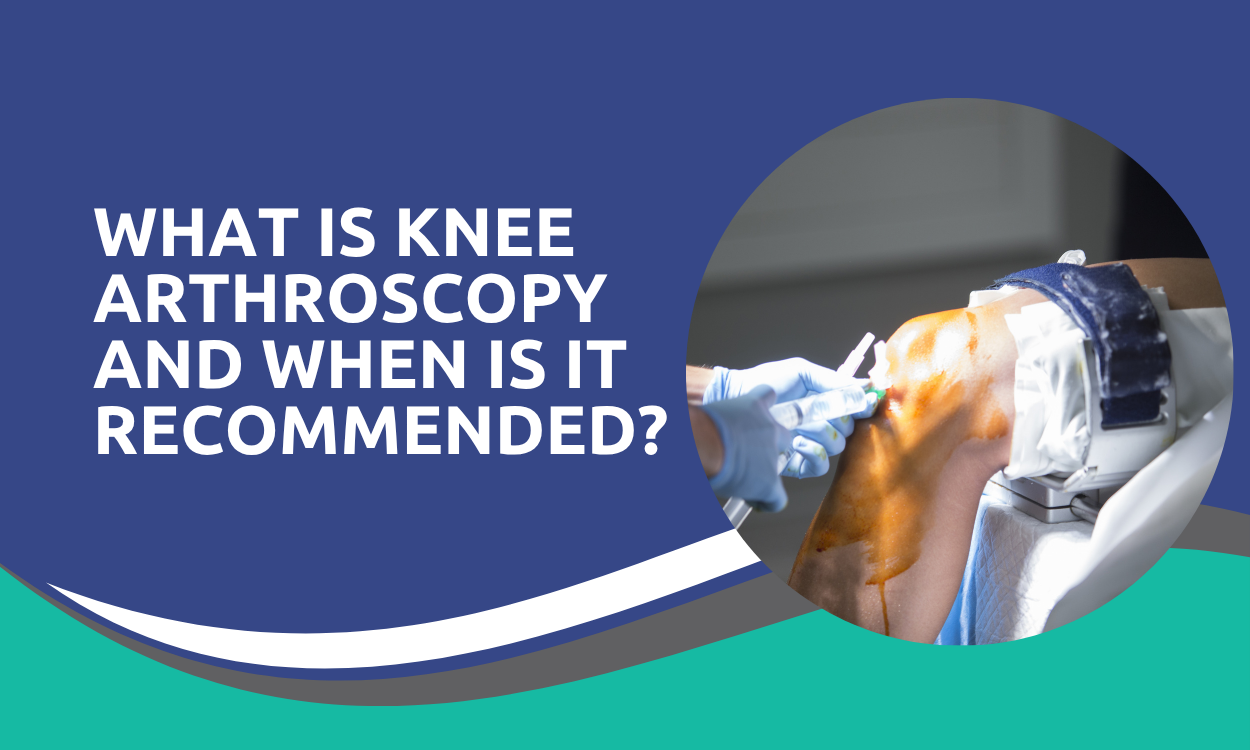
Knee arthroscopy is a minimally invasive surgery. A surgeon passes a small camera through tiny incisions to look inside the knee and fix what’s wrong, all without opening the joint. It handles torn cartilage, damaged ligaments, and loose fragments that catch and lock the knee. Most people are recommended for it after rest and physiotherapy stop working, and recovery runs faster than open surgery.
According to Dr. Sumit Badhwar, Best Orthopedic Surgeon in Noida, “Arthroscopy gives us a clear view inside the knee with two small cuts, so patients heal quicker and get back on their feet sooner than they expect.”
Table of Contents
Toggle
What Conditions Does Knee Arthroscopy Treat?
The procedure covers a fair range of knee problems, some caught on a scan, others spotted only once the surgeon is actually inside.
Meniscus tears are the usual suspect. The torn cartilage gets trimmed or stitched through the scope, no wide incision needed.
Ligament work matters most with ACL injuries, where the surgeon rebuilds the torn fibres using a graft while watching every move on screen.
Loose bodies are the bits of bone or cartilage drifting around the joint. They’re what make a knee catch or jam, and they come straight out.
Cartilage damage is trickier, but smoothing or stimulating those surfaces can buy a knee years before it needs anything more serious.
Plenty of knees never need the scope at all. A good arthroscopy surgeon tries the simpler routes first.
When Is Knee Arthroscopy Recommended Over Other Options?
It comes down to the diagnosis, how bad the damage is, and what’s already been tried.
Conservative care that failed is the most common trigger. Weeks of rest and physio with no change? The scope finds out why.
Mechanical symptoms are telling. A knee that locks, catches, or buckles usually has something physical inside that won’t fix itself.
A diagnosis nobody’s sure about sometimes forces the decision, because scans miss things and a direct look ends the guesswork.
Younger patients with damage in one spot tend to gain the most, since the procedure can push a full replacement years down the road or off the table entirely.
Get the timing right and the whole recovery changes. If you’re stuck choosing, this comparison of knee replacement vs arthroscopy lays out which one suits which stage.
Why Choose Dr. Sumit Badhwar for Knee Anthroscopy?
Dr. Sumit Badhwar has spent over 20 years in orthopedics and performed more than 2000 joint procedures, every one with a 100% success rate and zero infections. His arthroscopic work needs just two small cuts, so scarring stays minimal.
One young trekker walked in with a fully torn ACL and was back to full activity after keyhole surgery, the scars barely there. Diagnosis comes first. Surgery only when it earns its place.
Call +91 8104310753 to book your consultation.
Frequently Asked Questions
Is knee arthroscopy a major surgery?
No, it’s minimally invasive and usually done through two small incisions with quick recovery.
How long does recovery from knee arthroscopy take?
Most patients resume light activity within a few weeks, though full healing depends on the condition treated.
Is knee arthroscopy painful?
Discomfort is mild and manageable with medication, and most patients walk the same day or next.
Will I need physiotherapy after arthroscopy?
Yes, guided physiotherapy helps restore strength and movement and speeds up your overall recovery.